


Are Cold Plunges Beneficial for Runners?
Last Updated: November 13, 2026
Quick Summary
Cold plunge benefits for runners come from cold-water immersion in 50°F to 59°F water, which can reduce post-exercise muscle stiffness, fatigue, and muscle damage. Stay 10 to 15 minutes after running, two to three times per week, saving it for hard workouts and races.
- A 2025 study found a 20-minute plunge cut muscle blood flow by roughly 70%.
- Post-run immersion is the better default because it targets soreness and swelling.
- Pre-run cold exposure mostly just wakes you up rather than aiding recovery.
- Save ice baths for hard workouts, long runs, and race recovery, not every session.
- A 2025 PLOS ONE review describes time-dependent effects on inflammation, stress, immunity, and sleep quality.
Table of Contents
- Cold Plunge After Running: What the Benefits Actually Are
- How Long to Stay in an Ice Bath After Running
- Cold Plunge Before or After Running, and How Often Runners Should Take Ice Baths
- Frequently Asked Questions
Cold Plunge After Running: What the Benefits Actually Are
Cold plunge benefits for runners start with cold-water immersion, submerging your body in 50°F to 59°F water to ease soreness and speed recovery. Runners often ask one question first: does it actually work?
The evidence is mixed. A 2023 review of cold-water immersion research found cold water can reduce post-exercise muscle stiffness, fatigue, and muscle damage. But a 2025 study cited by National Geographic's reporting on cold plunge claims found a 20-minute plunge cut muscle blood flow by roughly 70%, potentially working against long-term adaptation.
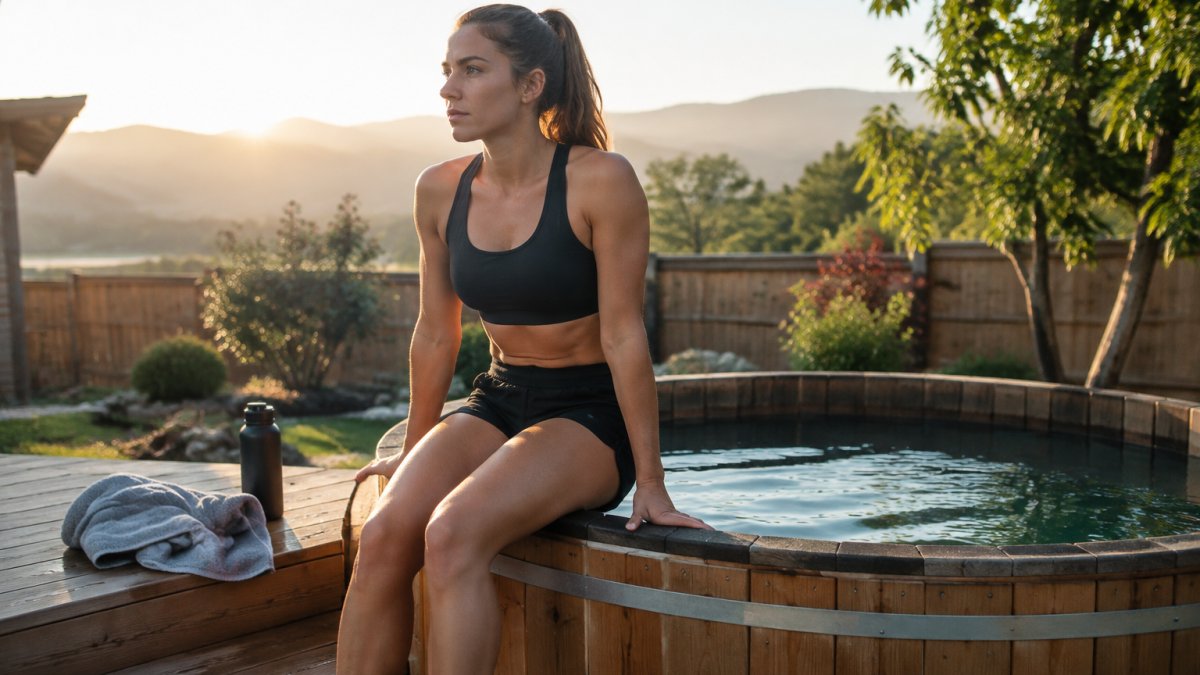
Browse cold plunge options for home recovery: shop cold plunges.
How Long to Stay in an Ice Bath After Running
Stay 10 to 15 minutes at 50°F to 59°F.
For temperature control, a premium cold plunge with chiller and filtration is one option; an inflatable ice bath tub is another.

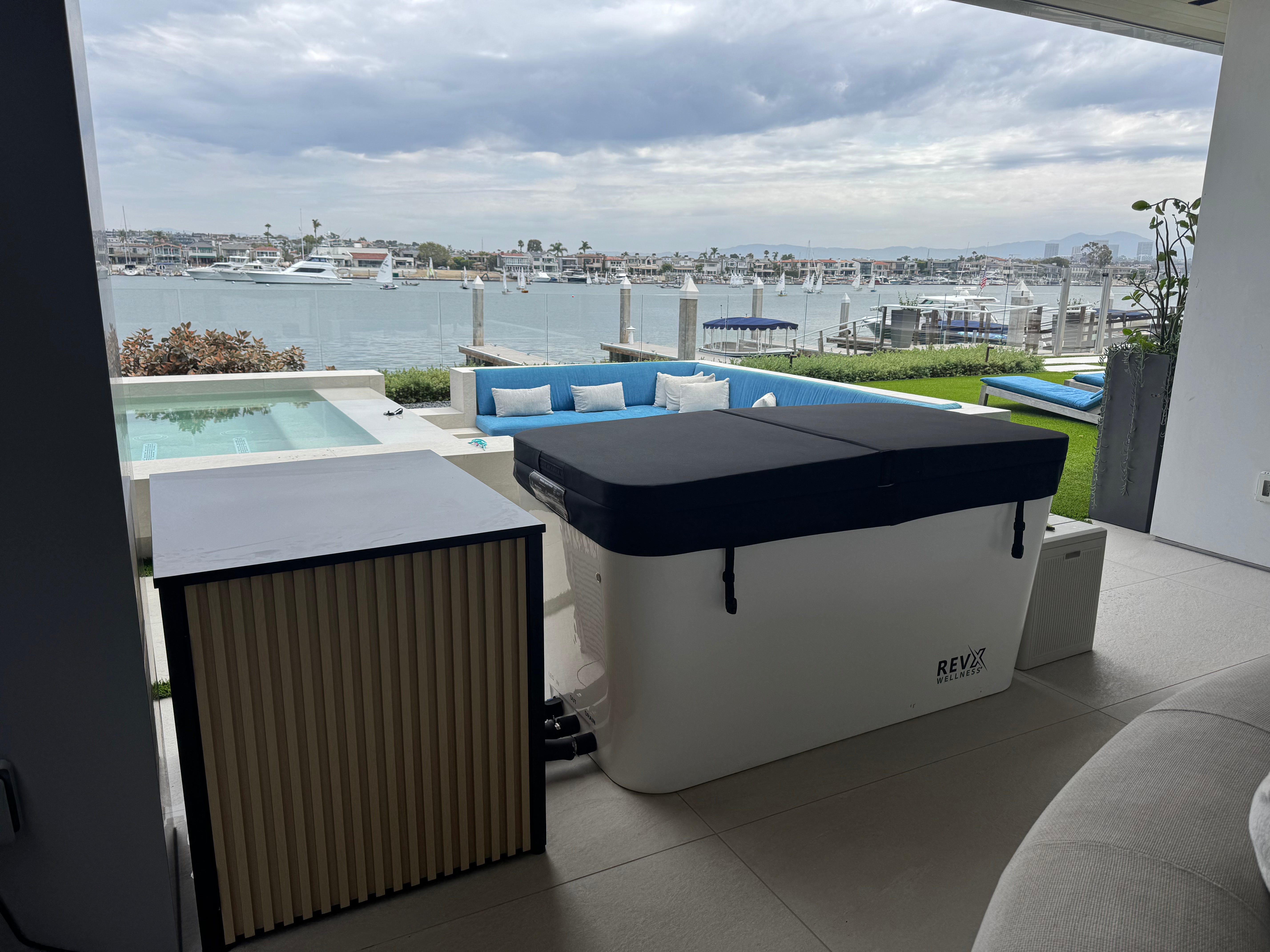
Watch out: very cold water for a long first session can leave you shivering and wanting to quit.
Here are the key numbers to keep in mind for a post-run ice bath.
| Item | Value | Note |
|---|---|---|
| Water temperature | 50°F to 59°F | Cold-water immersion range |
| Session length | 10 to 15 minutes | Stay this long after running |
| Blood flow cut in 2025 study | Roughly 70% | From a 20-minute plunge |
| Frequency | Two to three times per week | Save for hard workouts and races |
| Best timing | After running | Post-run immersion targets soreness and swelling |
Cold Plunge Before or After Running, and How Often Runners Should Take Ice Baths
After is the better default: post-run immersion targets soreness and swelling, while pre-run cold exposure mostly just wakes you up.
How often should runners take ice baths? Two to three times per week is plenty, save it for hard workouts, long runs, and race recovery rather than every session.
A 2025 PLOS ONE systematic review of cold-water immersion describes time-dependent effects on inflammation, stress, immunity, and sleep quality, timing and frequency change the outcome, so a fixed daily routine is not the goal.
For runners who plunge often, a fully assembled ThermoWood cold plunge tub is one option to consider.
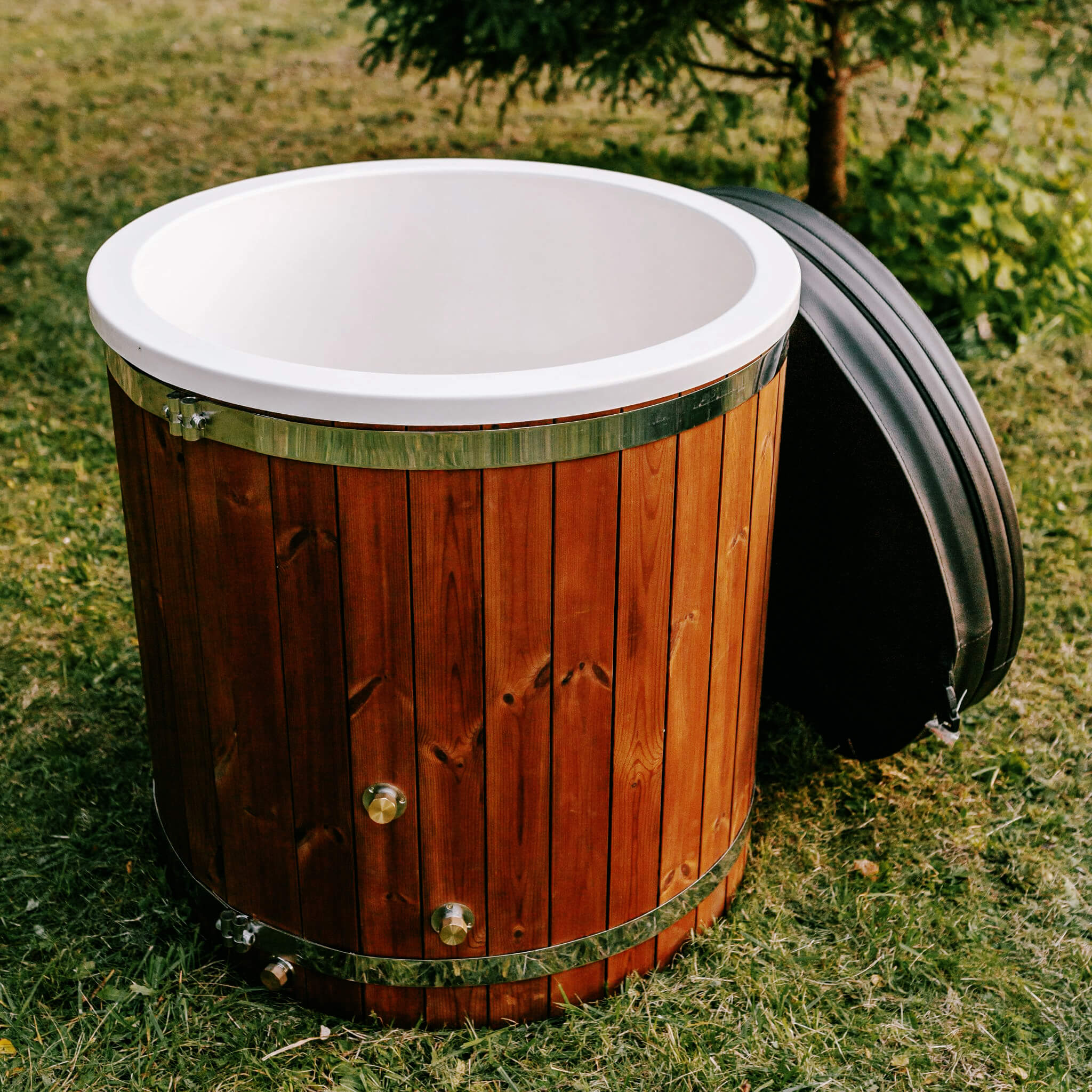
Runners deserve recovery tools that fit a real routine, not a spa appointment. Serenity Lane USA offers professional-grade cold plunges with durable construction and thoughtful design, free shipping on most orders within the continental U.S., and 30-day returns. Get started with Serenity Lane USA and build a recovery ritual you will actually keep.
Frequently Asked Questions
Are cold plunges beneficial for runners?
A 2023 review found cold-water immersion can reduce post-exercise muscle stiffness and fatigue and decrease exercise-induced muscle damage. A 2025 systematic review in PLOS ONE describes time-dependent effects on inflammation, stress, immunity, and sleep quality. The relief is largely perceived: soreness and tired legs feel better, but the research does not show a single protocol that improves measurable race performance. Treat it as one recovery tool, not a substitute for sleep and easy days.
How long should you do an ice bath after running?
Most study protocols use roughly 10 to 15 minutes in water around 50 to 59°F (10 to 15°C). Start shorter, around 5 to 8 minutes, and build up as you learn your tolerance. A 2025 study cited by National Geographic found a 20-minute plunge cut muscle blood flow by roughly 70%, so longer is not automatically better. Get out if you feel numb, dizzy, or start shivering hard.
Can cold plunges after running affect muscle growth or training adaptations?
It may. Because cold water constricts blood vessels and lowers blood flow to muscle, regular post-lift plunging could blunt some of the signaling that drives strength and hypertrophy adaptations. The research is not settled, and the supplied studies do not give a runner-specific effect size. If you are in a build phase for strength or muscle gain, keep hard strength sessions out of the plunge and save cold water for soreness after long runs or races.







