


How to Relieve Chronic Neck Tension at Home
Quick Summary
Chronic neck tension usually builds from daily habits like long screen use, a forward-tilted head and stress, so the fix starts with changing those habits. Gentle stretches, regular position changes and a warm compress can ease neck tension at home. See a doctor for sudden severe pain, numbness, weakness or pain spreading into the arms.
- Check whether screen time, poor posture or stress is your main cause.
- Hold each side neck stretch for about 20 to 30 seconds.
- Repeat shoulder rolls five times, rolling slowly up, back and down.
- Apply a warm compress for 10 to 15 minutes to help muscles loosen.
- Call a doctor if neck pain lasts over a few weeks or gets worse.
Table of Contents
- Step 1: Find Your Likely Cause of Neck Tension
- Step 2: Ease Neck Stretches for Chronic Tension
- Step 3: Build a Daily Plan and Know When to Get Help
- Frequently Asked Questions
Step 1: Find Your Likely Cause of Neck Tension
Chronic neck tension rarely comes from one thing. It usually builds up from daily habits, and the first step is spotting which ones fit your life. Watch out: Sudden, severe neck pain, numbness, weakness or pain that spreads down the arms calls for a doctor, not home care.
Most people with stiff necks sit for long stretches. Desk work, phone scrolling and long drives all pull the head forward. Over time, the muscles at the base of the neck and across the shoulders stay tight.
Check your own habits with this quick list:
- Do you look down at a phone or laptop for more than an hour at a time?
- Does your screen sit below eye level?
- Do you tuck your chin forward when you read or type?
- Do you wake up with a sore neck after sleeping on your stomach or on too many pillows?
- Does stress make you clench your jaw or hunch your shoulders?
If you answered yes to two or more, posture and habits are probably your main cause. That tells you where to focus.
According to the National Institute of Neurological Disorders and Stroke overview of neck pain, long periods in one position are a common reason neck muscles stay sore. Changing position often is one of the easiest fixes you can make.
Step 2: Ease Neck Stretches for Chronic Tension
Gentle stretching is one of the most useful things you can do at home. Keep every movement slow and comfortable. Stop if you feel sharp pain, dizziness or tingling.
Try these simple stretches, holding each one for about 20 to 30 seconds: for targeted relief for the connected shoulder muscles, see shoulder tension relief tips.
- Side neck stretch: Sit tall. Gently tilt one ear toward your shoulder. Hold, then switch sides.
- Chin tuck: Pull your head straight back, as if making a double chin. Hold for a few seconds, then relax.
- Shoulder roll: Roll both shoulders up, back and down in slow circles. Repeat five times.
- Head rotation: Turn your head slowly to one side, then the other. Keep your shoulders still.
Add a little heat before stretching if your muscles feel stiff. A warm compress for 10 to 15 minutes can help muscles loosen up.
Research on exercise for neck pain supports this approach. A review of exercise therapy for chronic neck pain notes that exercise may build muscle strength and better support the structures of the neck.
The article's four gentle stretches are summarised below so you can scan them quickly.
| Stretch | Movement | Hold or repeat |
|---|---|---|
| Side neck stretch | Tilt one ear toward shoulder | Hold 20-30 seconds, switch sides |
| Chin tuck | Pull head straight back | Hold a few seconds, then relax |
| Shoulder roll | Roll shoulders up, back and down | Repeat five times |
| Head rotation | Turn head slowly to each side | Keep shoulders still |
Step 3: Build a Daily Plan and Know When to Get Help
Chronic tension improves with consistent habits, not one big effort. Pick a simple routine you can repeat every day:
- Morning: Do the side neck stretch and shoulder rolls.
- Midday: Stand up, walk a few minutes and do chin tucks.
- Evening: Repeat the full set, then apply a warm compress.
Set your screen at eye level and keep your feet flat on the floor. Small changes like these reduce the load on your neck over time.
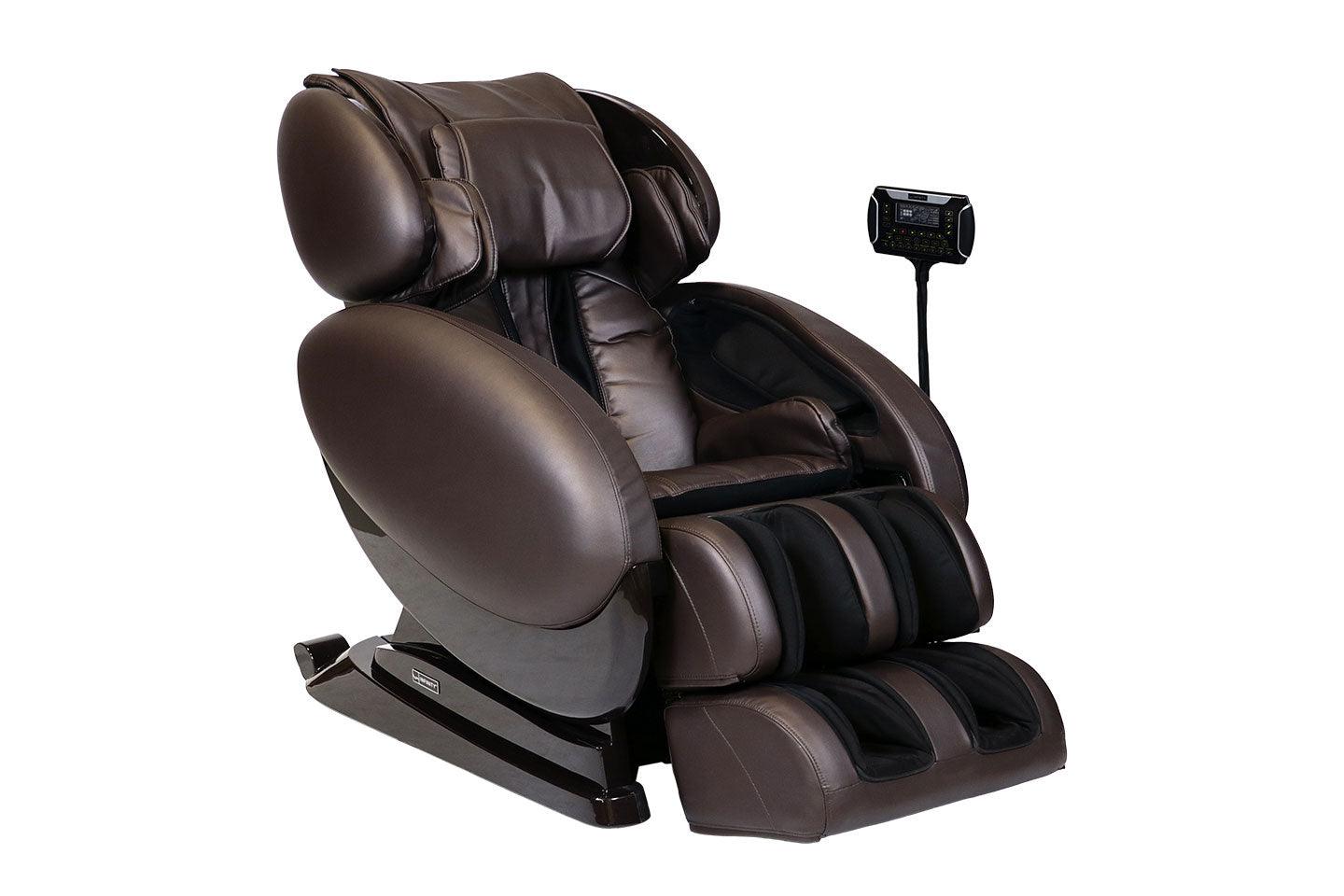
Some people also use equipment to support their routine. A [PRODUCT: Infinity IT-8500 Massage Chair with S-Track & Zero Gravity | https://serenitylaneusa.com/products/it-8500-massage-chair-by-infinity] offers a hands-off way to relax between stretch sessions, with massage techniques and zero-gravity recline options.
Call a doctor if your neck pain lasts more than a few weeks, keeps getting worse, or comes with fever, numbness, weakness or headaches that feel new or severe. Home care is not a substitute for medical care.
Frequently Asked Questions
Why won't my neck tension go away?
Persistent neck tension usually comes from a combination of sustained posture, repetitive desk work, stress that keeps the shoulders and upper trapezius tight, and sleeping positions that hold the neck in one place for hours. Home care works best when it addresses the likely cause as well as the symptom. Change your screen height, take short movement breaks every 30 to 45 minutes, and keep a gentle daily routine going for several weeks. If tension keeps returning despite consistent effort, or if it comes with numbness, weakness, headaches, or pain that radiates into the arms, speak with a doctor or physical therapist.
How long does it take for a strained neck muscle to heal?
Most mild neck muscle strains improve within a few days to a few weeks with rest from aggravating movements, gentle range-of-motion exercises, and heat. Chronic tension that has built up over months can take longer, often several weeks of consistent daily practice before you notice a clear change. Track how your neck feels in the morning and after work so you can see progress. If pain is not improving after about two weeks of home care, or if it is getting worse, schedule a visit with a healthcare provider.
When should I seek medical care for chronic neck tension?
Home care is appropriate for common stiffness and muscle tightness, but certain symptoms need prompt medical attention. Seek care right away for neck pain after an injury or fall, fever with a stiff neck, numbness or weakness in the arms or hands, loss of bladder or bowel control, severe headache, or difficulty swallowing or breathing. Also see a doctor if tension lasts longer than a few weeks despite a consistent home routine, since a clinician can check for underlying causes and recommend physical therapy or other treatment.







