


7 Things to Know About Infrared Saunas for Chronic Pain
Last Updated: November 22, 2026
Quick Summary
Infrared saunas may help some people with chronic pain, especially chronic low back pain, but the evidence is encouraging rather than conclusive. Research shows a trend toward decreased pain and improved function, yet studies are small and short-term. Treat infrared saunas as a complementary treatment alongside medical care, not a replacement.
- A 2009 review found a trend toward decreased pain and increased likelihood of return to work.
- Chronic low back pain has the most direct infrared sauna evidence, though studies remain small.
- A practical starting protocol is 15 to 30 minutes per session, three to four times per week.
- No trial shows infrared sauna prevents back pain recurrence or outperforms supervised exercise.
- Skip saunas if pregnant, have uncontrolled blood pressure, or take diuretics or beta blockers.
Table of Contents
- What the Research Says About Infrared Saunas and Chronic Pain
- Infrared Sauna for Back Pain: What Studies Show
- Does Infrared Sauna Help With Inflammation?
- How Long to See Benefits of Infrared Sauna
- Infrared Sauna Benefits and Disadvantages for Pain Management
- Choosing a Home Infrared Sauna for Daily Pain Relief
- Frequently Asked Questions
What the Research Says About Infrared Saunas and Chronic Pain
Can infrared saunas help chronic pain? The honest answer is maybe, for some people, with caveats. A 2009 review of far-infrared sauna research reported a trend toward decreased pain and anger and an increased likelihood of return to work, while calling the therapy potentially promising for chronic pain (Beever review of far-infrared sauna research(https://pmc.ncbi.nlm.nih.gov/articles/PMC2718593/)). We sell infrared saunas, so we have a stake in this conversation. That's exactly why we won't oversell it: the evidence is encouraging, not conclusive.
Evidence by Condition: Back Pain, Arthritis, and Fibromyalgia
A 2022 systematic review described infrared radiation as a promising complementary treatment for musculoskeletal conditions and chronic pain (Tsagkaris systematic review on infrared radiation(https://pmc.ncbi.nlm.nih.gov/articles/PMC8946909/)). The strongest signal sits with chronic low back pain and musculoskeletal complaints. Arthritis and fibromyalgia evidence is thinner, and the Cleveland Clinic's summary of infrared sauna benefits(https://my.clevelandclinic.org/health/articles/infrared-sauna-benefits) notes that many studies have limitations. Treat infrared sauna as a complementary treatment alongside medical care, not a replacement.
Infrared Sauna for Back Pain: What Studies Show
Chronic low back pain is the condition with the most direct infrared sauna evidence, but "most studied" is a relative term. The relevant literature is small, and much of it comes from a single line of research rather than independent replication. That matters when you weigh how much confidence to place in any single result.
The most-cited trial enrolled adults with chronic low back pain and compared repeated far-infrared sauna sessions with a control condition over a multi-week course. Researchers tracked two separate outcomes: pain intensity on a numeric rating scale and functional disability on a back-specific questionnaire.
A second, smaller study looked at far-infrared heat in participants with chronic low back pain and reported short-term reductions in pain and muscle stiffness, with effects measured immediately after and shortly following the session rather than months later. A common pattern across this literature is that sample sizes are modest, often a few dozen participants, and follow-up is short.
What the evidence does not show is equally important. No well-controlled trial demonstrates that infrared sauna prevents low back pain from recurring, reduces reliance on medication over the long term, or outperforms supervised exercise and physical therapy. Heat is a comfort and mobility tool, not a structural fix for a disc, a facet joint, or a strained muscle.
Watch out: it is easy to read a positive trial as proof that sauna replaces movement. The studied protocols were add-ons to usual care, not substitutes for it, and the participants who improved were generally also doing whatever else their clinicians recommended.
For a practical way to think about the size of these effects, translate them rather than repeat percentages. A one- to two-point drop on a 0-10 pain scale is the range most people would call noticeable; a change of half a point is within the noise of day-to-day fluctuation.
Does Infrared Sauna Help With Inflammation?
Whether that translates into measurable inflammation reduction in humans is not established. Heat therapy supports muscle relaxation and mobility; it does not replace anti-inflammatory treatment your doctor prescribes.
How Long to See Benefits of Infrared Sauna
Most people feel something after one session: warmth, looser muscles, a few minutes of easier movement. That immediate effect is real but short-lived, and it is not the same as pain relief that carries into the next day. The honest answer to "how long" depends on which benefit you mean.
For acute comfort and muscle relaxation, the effect is measured in minutes to a few hours. For changes in chronic pain intensity or functional disability, the studied protocols ran over weeks, not days. The most-cited low back pain trial used repeated sessions across a multi-week course, and the improvements were assessed at the end of that course rather than after a single visit. No trial in this literature pins down a minimum effective dose, so any specific number, three sessions, four weeks, ten visits, is a reasonable extrapolation, not a proven threshold.
A practical, evidence-informed starting protocol looks like this: 15 to 30 minutes per session at a temperature you find comfortably warm rather than aggressively hot, three to four times per week, with water before and after. That range sits inside what the published trials used and inside what most manufacturers recommend. Where the evidence is thin is in the details: nobody has established whether 20 minutes beats 30, whether 40°C outperforms 50°C, or whether daily use is better than every other day. If a seller quotes a precise protocol as if it were proven, treat that as marketing rather than science.
Durability is the bigger unknown. The trials that exist measured outcomes at the end of a treatment course, not six months or a year later. There is no long-term follow-up showing that infrared sauna keeps chronic pain away after you stop, and no evidence that it changes the underlying course of arthritis, fibromyalgia, or degenerative spine disease. A reasonable expectation is that benefits persist while you keep a routine and fade when you stop, the same pattern as most heat-based comfort measures.
Watch out: the most common mistake is judging the sauna after two sessions. If you are looking for changes in chronic pain or function, give it a fair multi-week trial with consistent frequency, and track a simple outcome, pain rating plus one functional task, so you are comparing against your own baseline rather than a vague memory of how you felt last month.
For a fuller schedule and how to build the habit, read our guide on how often to use an infrared sauna.
Infrared Sauna Benefits and Disadvantages for Pain Management
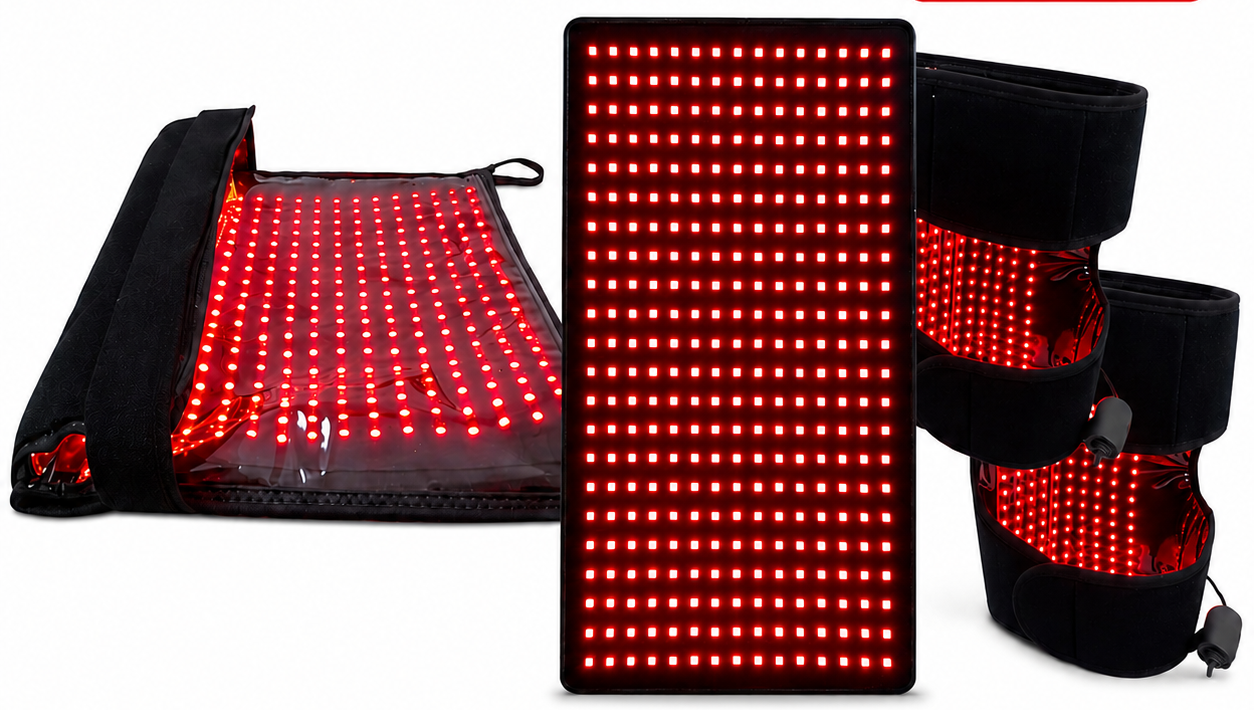
Possible benefits include relaxation and a low-effort routine you can repeat daily. Possible downsides include dehydration risk, heat intolerance, and dizziness, along with the cost of a unit. Infrared saunas are not proven to cure chronic pain, and anyone with cardiovascular conditions or on medications affecting sweating or blood pressure should clear heat therapy with a physician first. For targeted lower back and circulation support between sessions, our red light therapy device for feet, calves, and lower back offers a complementary option.
Safety, Medications, and Who Should Avoid Heat Therapy
Skip sauna sessions if you are pregnant, have uncontrolled blood pressure or heart disease, or take diuretics, beta blockers, or medications that impair sweating. Never combine sauna use with alcohol. Stop immediately if you feel faint.
Choosing a Home Infrared Sauna for Daily Pain Relief
Daily relief depends on consistency, and consistency depends on convenience. A home unit removes the spa commute that kills most routines. Three practical checks before buying:
| Model | Price | Best For | Heating |
|---|---|---|---|
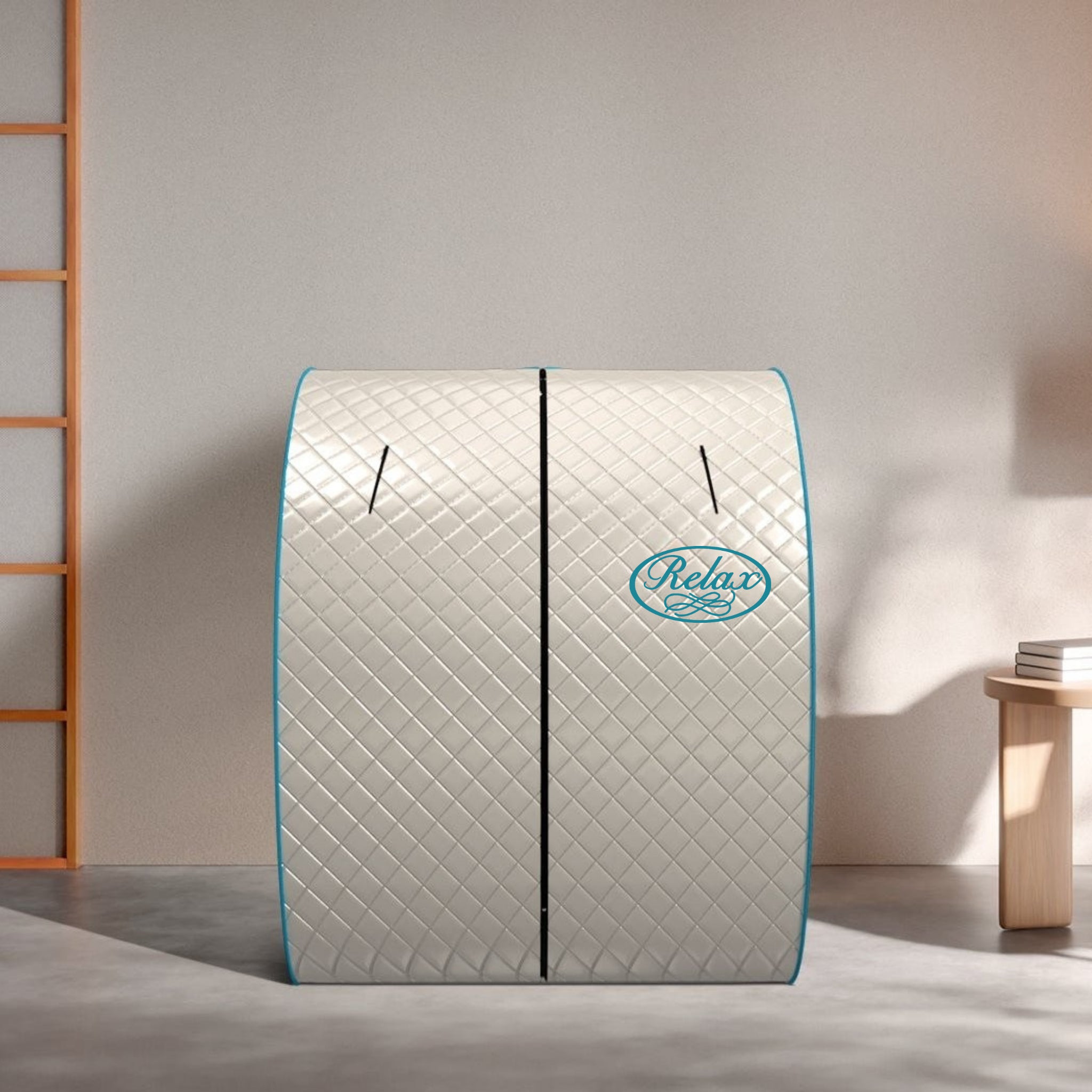
| Silver Elite Far Infrared Sauna | $1,700.00 | Budget-conscious daily use | Patented dual FIR conductors |
| Black Pro Far Infrared Sauna | $2,300.00 | Frequent, reinforced use | Dual FIR, silver-lined tent |
| Durasage 2-Person Hemlock Sauna | $3,295.00 | Couples, cabin style | Six carbon panels |
Price
Our Silver Elite far infrared sauna uses the same patented dual FIR conductor system as our Black Pro, at a lower price. Before committing, weigh the investment with our guide on whether an infrared sauna is worth your money, and plan upkeep with our home sauna maintenance plan.
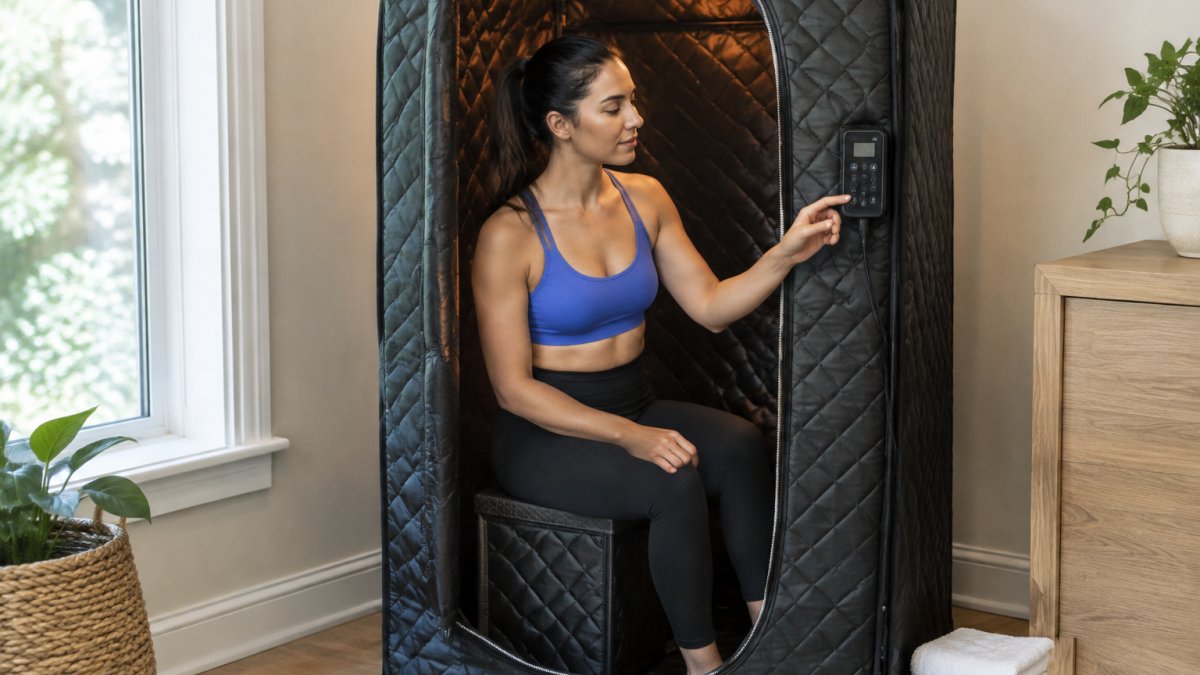
Chronic pain rarely responds to a single intervention. What it does respond to is a routine you'll actually keep, and that's the case for bringing heat therapy home. Serenity Lane USA offers professional-grade infrared saunas with patented dual FIR technology, durable construction built for repeated daily use, and free shipping on most orders within the continental U.S. Get started with Serenity Lane USA and build a restorative daily ritual that fits your life.
Frequently Asked Questions
Can infrared saunas help chronic pain?
Research suggests they may help some people, especially those with musculoskeletal conditions like chronic low back pain. A 2022 systematic review described infrared radiation as a promising complementary treatment for musculoskeletal conditions and chronic pain, and a 2009 review noted a trend toward decreased pain. Cleveland Clinic cautions that many studies have limitations, so treat infrared saunas as a supportive add-on rather than a standalone cure.
How long should you use an infrared sauna for pain relief?
Session length and frequency vary, and no trial establishes a single optimal protocol. Start with short sessions and build up as your heat tolerance allows. Hydrate before and after, and stop immediately if you feel dizzy or overheated. Consistency matters more than long sessions, so a shorter routine you repeat is better than an occasional long one.
Does infrared sauna help with inflammation or arthritis?
Evidence for inflammation and arthritis or fibromyalgia benefits is not definitive, and infrared saunas are discussed only as a possible complementary approach. Cleveland Clinic notes that many studies have limitations, and a Canadian health technology assessment framed the question around clinical benefit and harm without confirming that benefits outweigh harms for chronic pain.
What are the downsides of using an infrared sauna?
Dehydration, dizziness, heat intolerance, and low blood pressure are the most common risks. People taking diuretics, beta blockers, or other medications that affect sweating or blood pressure should check with a doctor first. Avoid sauna use during pregnancy or with uncontrolled heart conditions unless cleared. Sessions can also be time-consuming, and home units require available space.







