


Does a Sauna Actually Help Muscle Recovery?
Last Updated: November 21, 2026
Quick Summary
Sauna muscle recovery is a real but modest tool, not a miracle fix. Research suggests heat may reduce soreness and support neuromuscular performance, but it will not replace sleep or protein. Most people should aim for 10 to 20 minutes per session.
- Start at 10 minutes if you are new to saunas and build up, since heat tolerance varies a lot.
- Drink 16 to 20 ounces of water in the hour before a session and check for pale yellow urine.
- Cool down in a cool room for 5-10 minutes after a sauna, then rehydrate with electrolytes.
- Eat protein within a couple of hours if you trained, and aim for 7-9 hours of sleep.
- Three sessions a week beats one heroic session for building a lasting recovery routine.
Table of Contents
- What the Research Says About Sauna Muscle Recovery
- How Long in Sauna for Muscle Recovery
- Infrared Sauna for Muscle Recovery: How It Differs From Traditional Heat
- Sauna Hydration and Recovery: Fluids, Electrolytes and Timing
- What to Do After a Sauna to Lock In the Benefits
- Building a Sauna Recovery Routine at Home
- Frequently Asked Questions
What the Research Says About Sauna Muscle Recovery
Sauna muscle recovery is a real but modest tool, not a miracle fix. The strongest evidence comes from a 2022 study on post-exercise infrared sauna use that found less muscle soreness after resistance exercise, though the results did not show a clear numerical effect size. Heat can help you feel better, but it will not replace sleep or protein.
Soreness, Circulation and What Heat Actually Changes
Heat does two things well. It raises skin blood flow, which supports oxygen and nutrient delivery to tired muscle. And it can dull the ache you feel the next day, known as delayed-onset muscle soreness.
What heat does not do is repair muscle damage on its own. A 2025 overview of sauna and exercise recovery reports that sauna exposure may reduce soreness and support neuromuscular performance, especially when paired with exercise.
So treat the sauna as one part of recovery, not the whole plan.
How Long in Sauna for Muscle Recovery
The practical answer for most people is 10 to 20 minutes per session. That range gives you heat exposure without pushing dehydration or dizziness.
Here is how we would set it up by workout intensity:
| Workout Type | Session Length | Frequency | Notes |
|---|---|---|---|
| Light cardio or mobility | 10-12 min | 2-3x per week | Easy entry point |
| Moderate strength training | 15 min | 3-4x per week | Pair with stretching |
| Heavy resistance exercise | 15-20 min | After training days | Watch fluids closely |
| Active recovery day | 12-15 min | As needed | Keep it gentle |
Session Length
New to saunas? Start at 10 minutes and build up. Heat tolerance varies a lot between people.
Infrared Sauna for Muscle Recovery: How It Differs From Traditional Heat
Infrared saunas and traditional saunas both raise your body temperature, but they do it through different mechanisms, and that difference matters when you are trying to match a recovery protocol to the research.

How the two types actually heat you
Traditional saunas, often called Finnish saunas, heat the air in the room using heated stones, and often steam from water poured on those stones. Air temperatures commonly run in the 160°F to 195°F range at the bench, with relatively low humidity unless you add water.
Infrared saunas use radiant panels that emit infrared energy, which warms your skin and tissue directly rather than heating the air around you.
Why the evidence is not interchangeable
Most sauna-and-recovery research uses traditional Finnish-style heat, often at high temperatures for short bouts. Infrared studies exist, including the post-exercise infrared work cited earlier, but the protocols, temperature, humidity, duration, and timing relative to exercise, vary widely.
A common pattern in the literature is that heat exposure in general may reduce perceived soreness and support short-term neuromuscular performance, but the specific dose matters.
Practical differences for recovery
| Feature | Traditional sauna | Infrared sauna |
|---|---|---|
| Typical air temperature | 160°F-195°F | 120°F-150°F |
| Humidity | Low, unless water is added | Low |
| Heat source | Heated stones and air | Radiant infrared panels |
| Session feel | Intense, shorter bouts common | Gentler, longer sessions common |
| Home installation | Often needs ventilation and space | Often easier to fit indoors |
Best for: people who want a lower-temperature session they can repeat often, or who have limited space for a traditional hot room. Skip if: you want the classic steam-and-stones experience or you are trying to replicate a traditional Finnish protocol from the research.
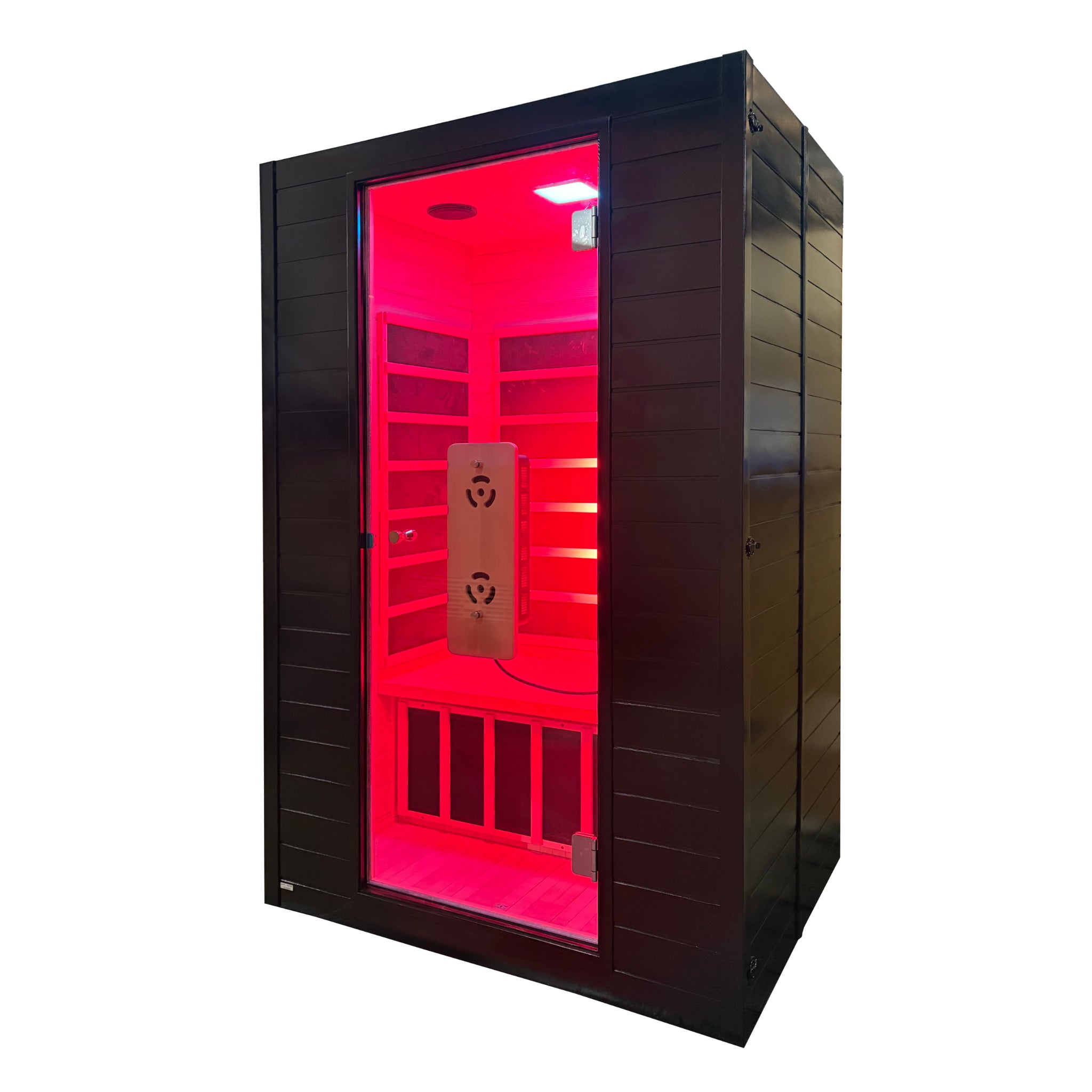
If you want to browse options, you can explore our infrared saunas. For a two-person setup, the Blisspod Malmo All In One Infrared Sauna is worth a look for home use.
Sauna Hydration and Recovery: Fluids, Electrolytes and Timing
Sweating in a sauna costs you water and electrolytes, and that cost stacks on top of what you already lost during a workout. Getting hydration right is one of the few recovery levers you fully control, so it is worth more than a single glass of water.
Before you go in
Start hydrated, not thirsty. A practical approach is to drink 16 to 20 ounces of water in the hour before a session and to check that your urine is pale yellow beforehand. If you trained hard earlier in the day, add a source of sodium, a sports drink, an electrolyte tablet in water, or a salty snack, rather than plain water alone.
Avoid alcohol before a sauna. It increases fluid loss and impairs your body's ability to regulate temperature.
During and after the session
For sessions under about 15 minutes, water after you get out is usually enough. For longer sessions, hot days, or back-to-back training days, replace electrolytes as well.
A simple rule we share with customers: if your urine is dark yellow after a sauna, you are behind on fluids. If you feel lightheaded, have a headache, or notice muscle cramps, stop and rehydrate with an electrolyte drink.
Recognizing excessive fluid loss
Watch for signs that you have lost more than you replaced: persistent thirst, dark urine, dizziness on standing, fatigue that does not improve with rest, or a racing heart. These can signal dehydration and, in rare cases, heat-related illness. If symptoms are severe or do not resolve with fluids and cooling, seek medical attention.
Watch out: drinking large volumes of plain water quickly after heavy sweating can dilute sodium levels, balance water with electrolytes rather than overcorrecting with water alone.
Timing around your workout
The order matters less than the total. A common approach is to rehydrate after training, then use the sauna, then rehydrate again. If you sauna before training, give yourself enough time to cool down and drink before you lift.
If you take medications that affect hydration or blood pressure, or you have a heart, kidney, or blood-pressure condition, talk to a clinician before making sauna sessions a regular part of your routine.
What to Do After a Sauna to Lock In the Benefits
The post-sauna window is where most people waste their session. Cool down gradually, rehydrate, and give your body real rest.
- Sit or walk in a cool room for 5-10 minutes
- Drink water with electrolytes
- Stretch tight muscles while they are warm
- Eat protein within a couple of hours if you trained
- Get 7-9 hours of sleep, the actual repair window
Watch out: hopping straight into a cold plunge right after a long sauna can spike your heart rate. Ease into temperature swings.
Building a Sauna Recovery Routine at Home
A home sauna only pays off if you actually use it. Three sessions a week beats one heroic session, and a routine you can keep is the whole game.
Keep the sauna clean and the room ventilated so it stays ready to use, and plan the space so it invites you in rather than gathering clutter. Our guides on infrared sauna care and home wellness room design ideas cover both. If you are ready to commit, the Carbon Smart 7' x 7' x 8' sauna kit is a solid indoor starting point.
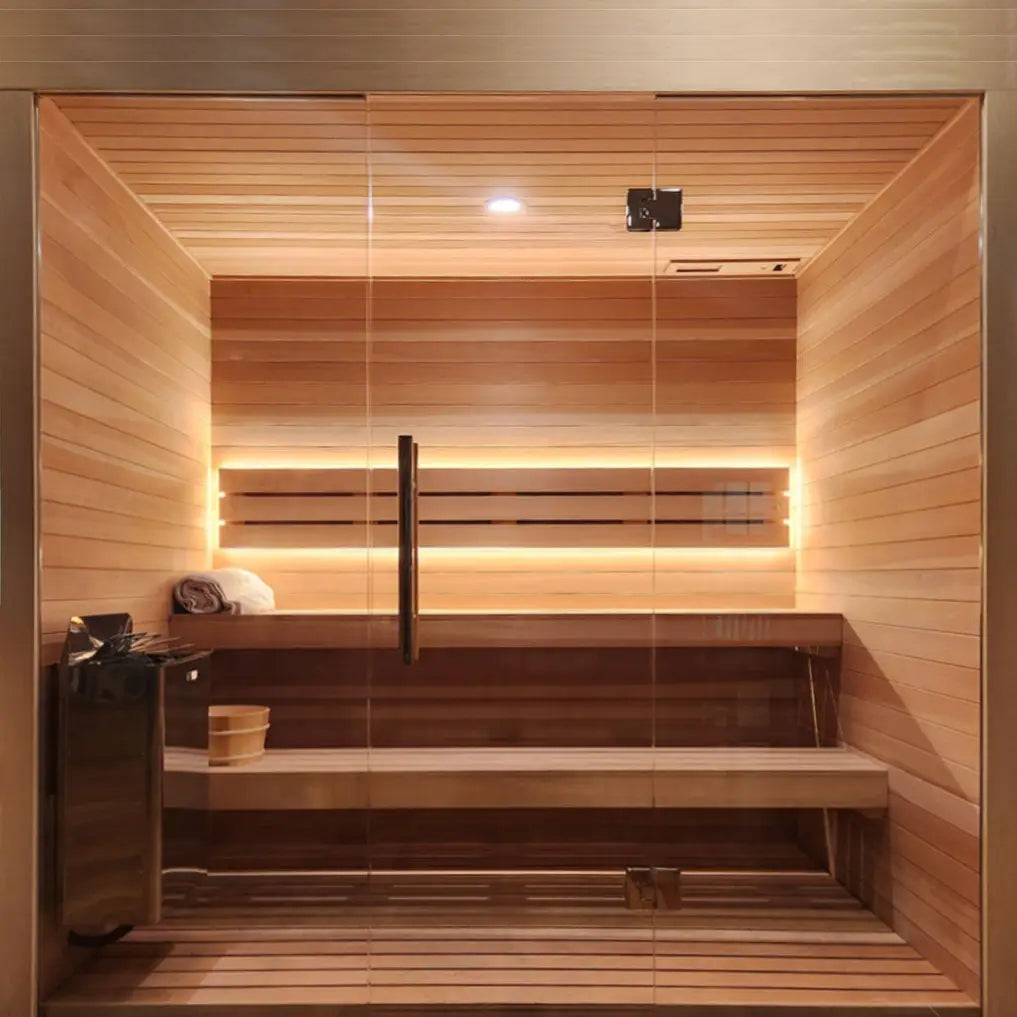
Recovery is a habit, not an event. Build the routine around your training week, and the sauna becomes the easiest part of it.
Muscle soreness after training is normal, but managing it well takes the right setup.
Frequently Asked Questions
Does a sauna actually help muscle recovery?
Research points to a modest effect. A 2022 study led by EK Ahokas found that one post-exercise infrared sauna session after resistance exercise was linked to less muscle soreness, though the published summary gives no numerical effect size. A 2025 overview by N Smith reports that sauna exposure may support recovery by reducing soreness and helping neuromuscular performance, especially when paired with exercise. Treat sauna muscle recovery as a helpful add-on to sleep, food and hydration rather than a replacement for them.
How long should you sit in a sauna for muscle recovery?
Most protocols use 10 to 20 minutes per session at a comfortable heat, repeated once or twice if you tolerate it well. Start at the lower end, especially after a hard leg day or a long run, and leave sooner if you feel dizzy or lightheaded. Session duration matters less than consistency: three or four short sessions across the week will do more for soreness than one long one. Drink water before and after, and never treat a longer session as a better one.
Is an infrared sauna good for muscle recovery compared with a traditional sauna?
Both deliver heat, but infrared saunas warm the body directly at lower air temperatures, which many people find easier to sit in for longer. The 2022 Ahokas study used infrared, so the soreness findings map most directly to that type. Traditional saunas run hotter with steam and feel more intense. For home use, the Silver Elite Far Infrared Sauna is designed for regular personal and family use.
What not to do after a sauna?
Skip alcohol and heavy caffeine right after a session, since both add to the fluid loss you already incurred through sweating. Avoid jumping straight into intense training or a cold plunge without cooling down gradually, and do not go to bed without replacing fluids and electrolytes. Give yourself 10 to 15 minutes to cool off and rehydrate before driving or showering. If you take medication that affects blood pressure or sweat production, check with your doctor before making sauna use a habit.







